


-

Add: HeBei ShengShi HongBang Cellulose Technology CO.,LTD.
-

Email
13180486930@163.com -

CONTACT US
+86 13180486930
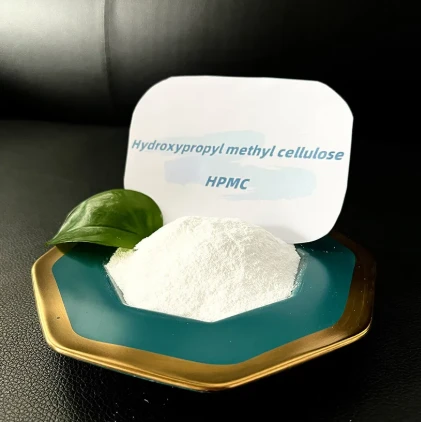

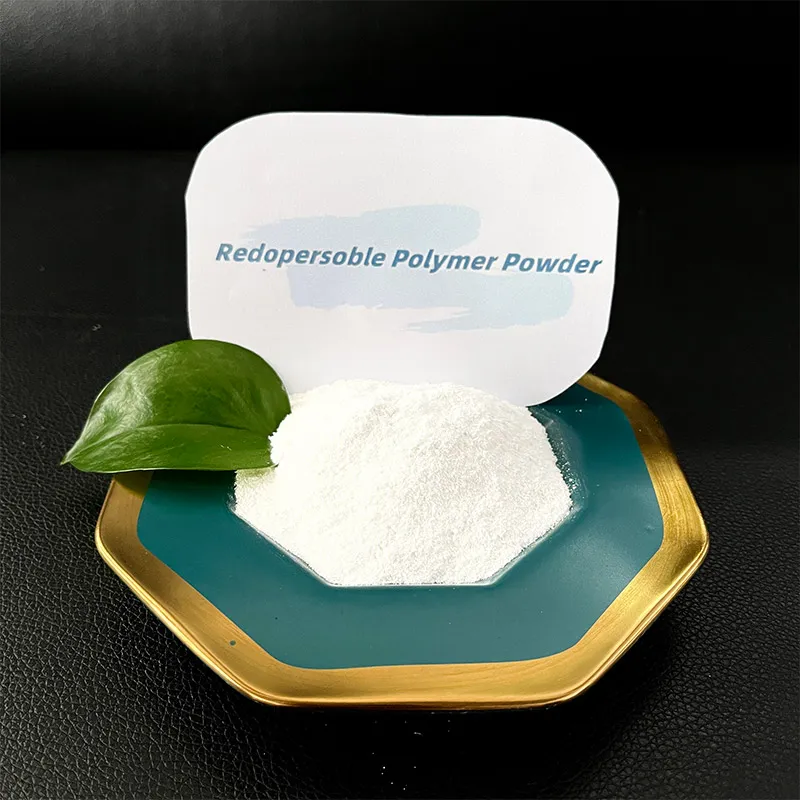



Polypropylene Fiber is a key solution in the manufacturing industry, specifically within Manufacturing of building materials and Concrete admixture. This article explores how HeBei ShengShi HongBang Cellulose Technology CO.,LTD. supports professionals with durable, high-performance products, and explains why this product is an ideal choice for businesses in these sectors. Table of Contents Polypropylene Fiber Overview Benefits & Use Cases of Polypropylene Fiber in Concrete admixture Cost, Maintenance & User Experience Sustainability & Market Trends in manufacturing Conclusion on Polypropylene Fiber from HeBei ShengShi HongBang Cellulose Technology CO.,LTD. Polypropylene Fiber Overview Polypropylene fiber—also known as PP fiber, polypropylene fibre, or microfiber synthetic—is a high-performance additive used to control cracking, enhance toughness, and improve durability in cementitious materials. In the Manufacturing of building materials, especially Concrete admixture, these fibers disperse uniformly to bridge micro-cracks formed during plastic shrinkage and early drying. Typical PP fibers feature a specific gravity around 0.91, excellent chemical and alkali resistance, and a melting point in the 160–170°C range. They are non-corrosive, hydrophobic, and compatible with common admixtures, making them a versatile choice for ready-mix, precast, and shotcrete operations. HeBei ShengShi HongBang Cellulose Technology CO.,LTD. manufactures consistent, easy-dosing pp fiber products engineered for high dispersion and reliable performance in pp fiber concrete. Standard microfibers are commonly dosed between 0.6–1.0 kg/m³ for shrinkage crack control, while higher dosages can be tailored for impact resistance and spalling mitigation. The company’s rigorous quality management and application know-how help B2B decision makers standardize performance across projects, reduce variability at the batch plant, and streamline specification to meet ASTM C1116-type requirements for fiber-reinforced concrete. Benefits & Use Cases of Polypropylene Fiber in Concrete admixture In concrete and mortar, Polypropylene Fiber delivers measurable performance gains where early-age cracking, abrasion, and impact are concerns. Typical applications include industrial floors and slabs-on-grade, screeds and toppings, precast elements, pavements, overlays, repair mortars, tunnel shotcrete, and façade renders. As a microfiber synthetic, PP fiber forms a three-dimensional reinforcement network that reduces plastic shrinkage cracks, enhances surface integrity, and mitigates explosive spalling risk under fire exposure in certain mixes. For shotcrete and high-rebound environments, optimized fiber geometry improves pumpability and finish, while maintaining cohesion. Crack control: Limits plastic shrinkage cracking and early-age micro-cracks, improving durability and aesthetics. Non-corrosive: Unlike steel, PP fibers do not rust, ideal for de-icing salt or marine-exposed structures. Ease of dosing: Uniform dispersion, low risk of balling, and compatibility with superplasticizers. Finish-friendly: Fine monofilament fibers maintain trowelability and surface finish quality. HeBei ShengShi HongBang Cellulose Technology CO.,LTD. supports concrete producers and contractors with technical guidance on mix design, fiber length selection (e.g., 3–19 mm), and target dosages to meet project-specific requirements. Their portfolio helps specifiers replace or reduce secondary steel mesh in selected applications, simplifying logistics while maintaining performance in pp fiber concrete. Cost, Maintenance & User Experience Total cost of ownership with Polypropylene Fiber is driven by lower crack-related callbacks, reduced reliance on secondary reinforcement in certain use cases, and minimized labor for placement and fixing of mesh. While unit cost per kilogram can appear higher than traditional reinforcement on a weight basis, PP fiber delivers value by reducing material handling, speeding placement, and improving as-cast durability. Owners benefit from fewer repairs due to plastic shrinkage cracks and better long-term surface performance under abrasion and thermal cycling. Customers in the Manufacturing of building materials sector report consistent dispersion, predictable set behavior, and stable slump retention when fibers are properly integrated with admixture packages. Precasters appreciate cycle-time reliability and surface finish quality, while ready-mix producers highlight reduced variability at the plant when using standardized dosing protocols. With no corrosion risk and minimal maintenance implications, the ROI for PP fiber often appears within the first maintenance cycle by lowering remedial work, especially on slabs, pavements, and high-traffic industrial floors. Sustainability & Market Trends in manufacturing Sustainability priorities are reshaping concrete specifications worldwide. Fibers that extend service life and reduce repair frequency help lower embodied carbon over a structure’s lifecycle. By enabling the reduction or substitution of certain secondary steel reinforcement in appropriate applications, Polypropylene Fiber can also cut transport emissions and jobsite waste. As regulatory frameworks evolve and green rating systems emphasize durability, crack control, and resilience, fiber-reinforced mixes are increasingly favored in infrastructure, industrial, and precast segments. HeBei ShengShi HongBang Cellulose Technology CO.,LTD. invests in quality control and product consistency to support lower material waste, while offering guidance to optimize dosage and mix designs that balance performance with environmental goals. Forward-looking trends include integration of fibers in low-clinker binders, synergy with shrinkage-reducing admixtures, and broader adoption of microfiber synthetic solutions in 3D printed concrete and advanced overlays. The company’s commitment to reliable supply and technical support helps B2B teams standardize greener, longer-lasting solutions across their portfolios. Conclusion on Polypropylene Fiber from HeBei ShengShi HongBang Cellulose Technology CO.,LTD. Polypropylene Fiber empowers manufacturers and contractors to deliver tougher, more reliable concrete and mortar by controlling early-age cracking, improving durability, and simplifying placement. For B2B decision makers in Manufacturing of building materials and Concrete admixture, HeBei ShengShi HongBang Cellulose Technology CO.,LTD. provides consistent, easy-to-spec products backed by technical expertise and dependable supply. Elevate quality and reduce lifecycle costs with proven PP fiber solutions. Contact us: email: 13180486930@163.com Visit our website: https://www.sshbhpmc.com
- 40000tons

Production
- 20+years

Experience
- 5000+㎡

Acreage

-
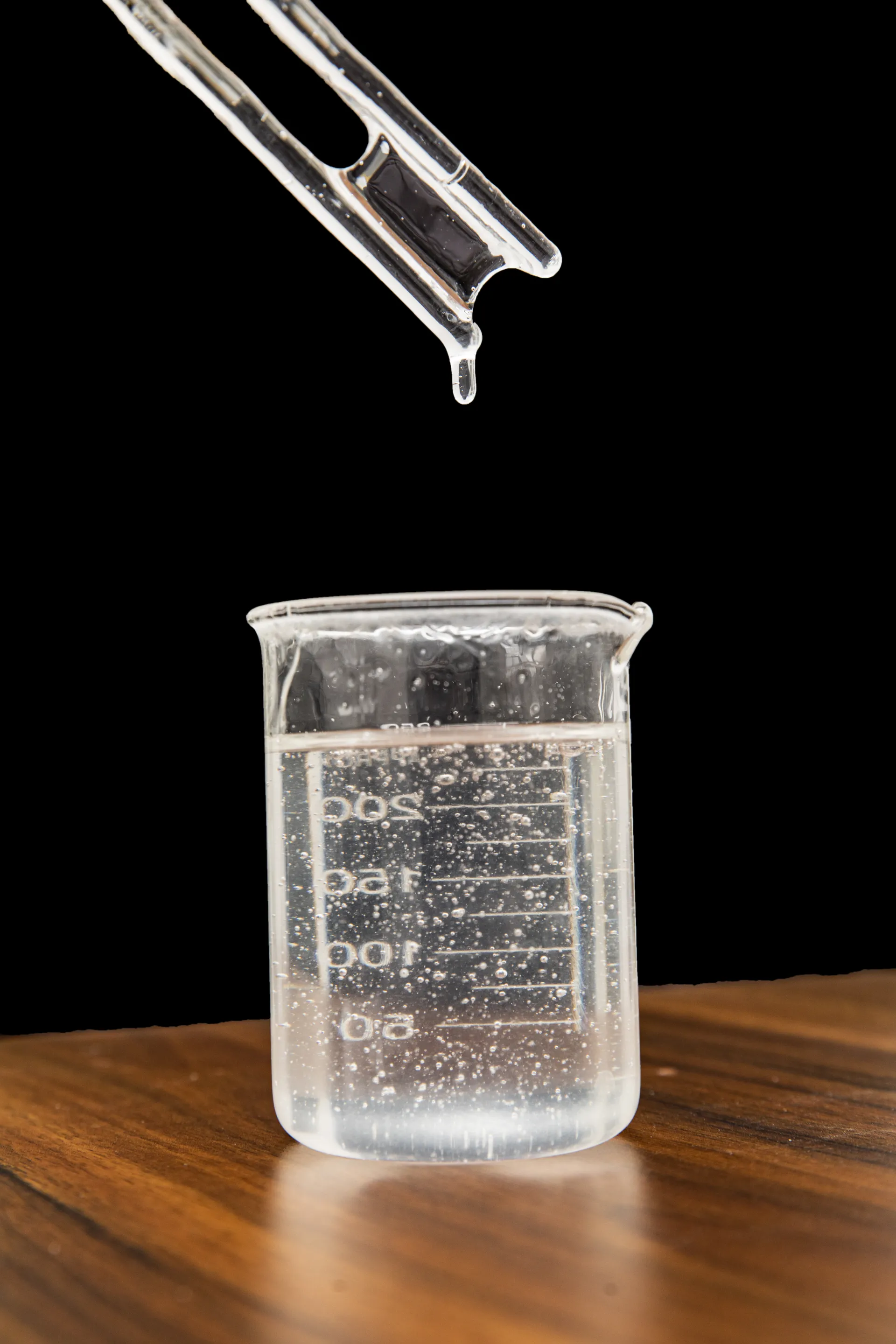
Rubber Powder Production Line Revolutionizing Material Recycling In an era where sustainability and waste reduction have become paramount, the rubber powder production line emerges as a pivotal innovation. This technological advancement not only addresses the environmental concerns posed by tire waste but also offers a plethora of industrial applications that extend beyond typical recycling methods. Understanding the Rubber Powder Production Line Rubber powder production lines are intricate systems designed to convert waste rubber, predominantly from used tires, into fine, reusable rubber powder. These systems stand out due to their technological sophistication, combining thermal and mechanical processes to ensure efficient recycling. From shredding and granulation to pulverization, each step is meticulously designed to maximize yield and quality. The Expertise Behind Rubber Processing The success of a rubber powder production line is highly contingent on the expertise behind its installation and operation. The process starts with shredding, where tires are meticulously cut into smaller, manageable pieces. This requires a deep understanding of machinery calibration to prevent equipment wear and ensure operational efficiency. It also involves precise control over temperature settings during the vulcanization reversal process, a stage where waste rubber is chemically treated to revert back to a malleable state. Professionals in the field leverage their profound knowledge to optimize these processes, thus boosting productivity while adhering to environmental standards. The importance of expertise is further accentuated when considering the diverse rubber compositions that necessitate tailor-made processing strategies to achieve uniform powder quality. Authoritativeness in Quality and Compliance Producing rubber powder that meets industry standards demands authoritative control over several variables. Quality assurance is paramount, with rigorous testing protocols conducted at various production stages; these encompass fineness, purity, and the absence of contaminants. Certification from recognized industry bodies provides a seal of credibility, assuring clients of the powder's suitability for diverse applications such as asphalt modification, sealants, and rubber products manufacturing. rubber powder production line Moreover, compliance with international regulations concerning environmental safety and industrial emissions reinforces the production line's authoritative stance in the market. Employing cutting-edge technologies like cryogenic grinding, which uses liquid nitrogen to achieve finer powder without thermal degradation, exemplifies the commitment to both innovation and compliance. Trustworthiness Through Sustainable Practices Trust in the rubber powder production line is built on a foundation of sustainable practices. Establishing a sustainable model not only enhances environmental value but also resonates with environmentally-conscious customers seeking reliable suppliers. The rubber powder production line addresses waste reduction by closing the loop in tire lifecycle management, transforming waste into a resource. Reliability is further demonstrated by consistent supply chains, timely deliveries, and transparent communication with stakeholders. By prioritizing sustainable operations, producers foster long-term relationships with clients who value ecological responsibility and ethical business practices. Innovative Applications and Market Expansion The rubber powder produced via these advanced lines opens new avenues in various industrial sectors . Its application in modified asphalt enhances road durability and resistance to wear, significantly extending infrastructure longevity. Additionally, it serves as a crucial component in the production of high-performance seals, gaskets, and shock absorbers, enabling manufacturers to enhance product quality. The versatility of rubber powder extends to the footwear industry, where it contributes to the production of sustainable soles that match the performance of traditional materials while reducing environmental footprint. As the demand for cost-effective and eco-friendly materials rises globally, the market potential for rubber powder is set to expand, offering lucrative opportunities for producers. Conclusion Embracing the Future The rubber powder production line stands at the forefront of industrial innovation, embodying the Experience, Expertise, Authoritativeness, and Trustworthiness principles. These systems not only exemplify advanced recycling technologies but also resonate with global sustainability objectives. As manufacturers and industries pivot towards more responsible practices, embracing the capabilities of rubber powder production lines will drive both environmental and economic benefits, paving the way for a sustainable future.
-
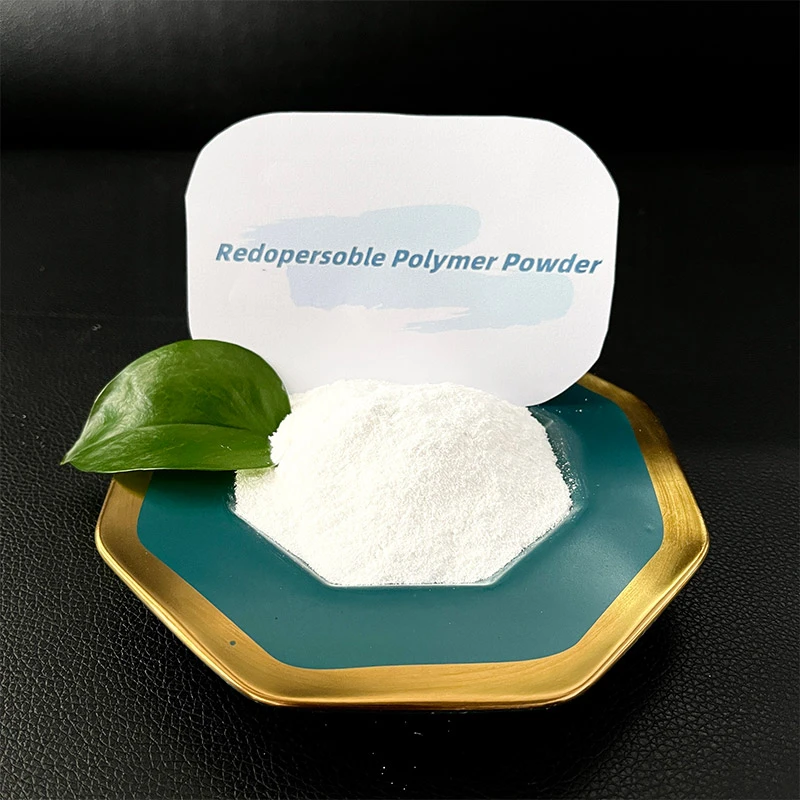
In the realm of construction and building materials, one innovative component is making waves for its ability to enhance the durability of structures rubber powder used in waterproof mortar. This material has not only transformed the waterproofing industry but also become a key player in sustainable building practices. Explore this article to uncover the profound impact of rubber powder on waterproof mortar, supported by expert insights and trusted recommendations. Rubber powder's journey into waterproof mortar applications stems from a pressing need for more durable, flexible, and environmentally conscious construction materials. As cities expand and climate change continues to challenge traditional infrastructure, the demand for more resilient building materials has never been more critical. Experience and expertise reveal that rubber powder significantly improves the flexibility and elasticity of waterproof mortar . Traditional waterproofing solutions can become brittle over time, leading to potential cracks and water ingress. However, incorporating rubber powder enhances the material's elasticity, allowing it to withstand structural movements and temperature fluctuations without compromising its integrity. According to Dr. Emily Langford, a materials scientist with over two decades of experience, Rubber powder's inclusion in waterproof mortar not only extends the lifespan of the material but also provides a sustainable solution by repurposing waste rubber from used tires. Concrete structures face constant moisture exposure, which can lead to severe damage if not properly managed. Rubber powder embedded in waterproof mortar forms an impermeable barrier, effectively sealing structures against water infiltration. This is particularly beneficial in high-moisture environments or in constructions like basements, tunnels, and swimming pools where water resistance is paramount. John Maxwell, a renowned civil engineer, emphasizes that using rubber powder in mortar enhances water-resistance properties significantly, making it an ideal choice for projects requiring robust waterproofing. rubber powder used in water proof mortar One of the most compelling arguments for utilizing rubber powder in waterproof mortars is its alignment with sustainability goals. By repurposing end-of-life tires into powder form, the construction industry not only reduces landfill waste but also conserves natural resources. This closed-loop system contributes to lower carbon footprints and bolsters green building certifications. Elizabeth Chen, an environmental consultant, notes, Projects implementing rubber powder-enhanced waterproof mortar see not just improved performance but also meet key sustainability benchmarks, appealing to environmentally conscious developers and contractors. Trustworthiness in construction materials cannot be overstated, and rubber powder has proven itself as a reliable component through a series of rigorous tests and real-world applications. Certified laboratory analyses reveal that mortar mixed with rubber powder exhibits superior crack bridging capabilities and longevity under stress, compared to conventional mortars. Additionally, feedback from construction firms that have adopted this technique indicates consistent satisfaction with the results, citing significant reductions in maintenance costs and downtime due to water damage. The adoption of rubber powder in waterproof mortar represents a forward-thinking approach to building resilience. As urban landscapes continue to grow and the construction sector moves towards more sustainable practices, this innovative material will undoubtedly play a pivotal role. Research and field data support the view that rubber powder not only meets but exceeds the stringent requirements of modern construction projects. In conclusion, the integration of rubber powder into waterproof mortars marks a significant advancement in building material technology. Its contribution to improved structural flexibility, superior water resistance, and enhanced sustainability practices aligns with contemporary demands for robust and eco-friendly construction solutions. As the construction industry evolves, rubber powder stands out as a testament to meeting today's challenges with innovative, reliable, and future-ready solutions.
advantages
-

200000 Viscosities
Excellent product
We can produce pure products up to 200,000 viscosities
-

40000 tons
High yield
We don’t stop production all year round, and the annual output can reach 40,000 tons
-

24 hours
Quality service
We provide 24-hours online reception service, welcome to consult at any time
———— Inquiry Form
Schedule A services

-
 fibra_de_polipropileno_para_la_venta
Oct . 25, 2025
Is HPMC Soluble in Water? Hydroxypropyl Methylcellulose (HPMC) is a widely used cellulose ether that -
 hpmc_in_pharma
Oct . 25, 2025
Hydroxypropyl methylcellulose (HPMC), a multifunctional polymer, serves as a key excipient in tablet -
 uses_of_hydroxypropyl_methylcellulose
Oct . 25, 2025
Hydroxypropyl Methylcellulose (HPMC) has seen a surge in demand across various industries, making th


